Introduction - 介绍
Hyperledger Fabric is a platform for distributed ledger solutions underpinned by a modular architecture delivering high degrees of confidentiality, resiliency, flexibility, and scalability. It is designed to support pluggable implementations of different components and accommodate the complexity and intricacies that exist across the economic ecosystem.
Hyperledger Fabric是分布式账本解决方案的平台,采用模块化架构,提供高度机密性,弹性,灵活性和可扩展性。它旨在支持不同组件的可插拔实现,并适应整个经济生态系统中存在的错综复杂性。
We recommend first-time users begin by going through the rest of the introduction below in order to gain familiarity with how blockchains work and with the specific features and components of Hyperledger Fabric.
我们建议首次使用的用户先浏览后文的余下介绍,以熟悉区块链的工作方式以及Hyperledger Fabric的特定功能和组件。
Once comfortable — or if you’re already familiar with blockchain and Hyperledger Fabric — go to Getting Started - 入门 and from there explore the demos, technical specifications, APIs, etc.
一旦你感觉适应——或者已经熟悉区块链和Hyperledger Fabric——请转到 Getting Started - 入门 ,然后从那里探索演示、技术规范、API等。
What is a Blockchain? - 什么是区块链?
A Distributed Ledger - 分布式账本
At the heart of a blockchain network is a distributed ledger that records all the transactions that take place on the network.
区块链网络的核心是一个分布式账本,记录网络上发生的所有交易。
A blockchain ledger is often described as decentralized because it is replicated across many network participants, each of whom collaborate in its maintenance. We’ll see that decentralization and collaboration are powerful attributes that mirror the way businesses exchange goods and services in the real world.
区块链账本通常被描述为 去中心化的 ,因为它被复制到许多网络参与者中,每个参与者都在维护中进行 协作 。我们将看到去中心化和协作是强大的属性,反映了企业在现实世界中交换商品和服务的方式。
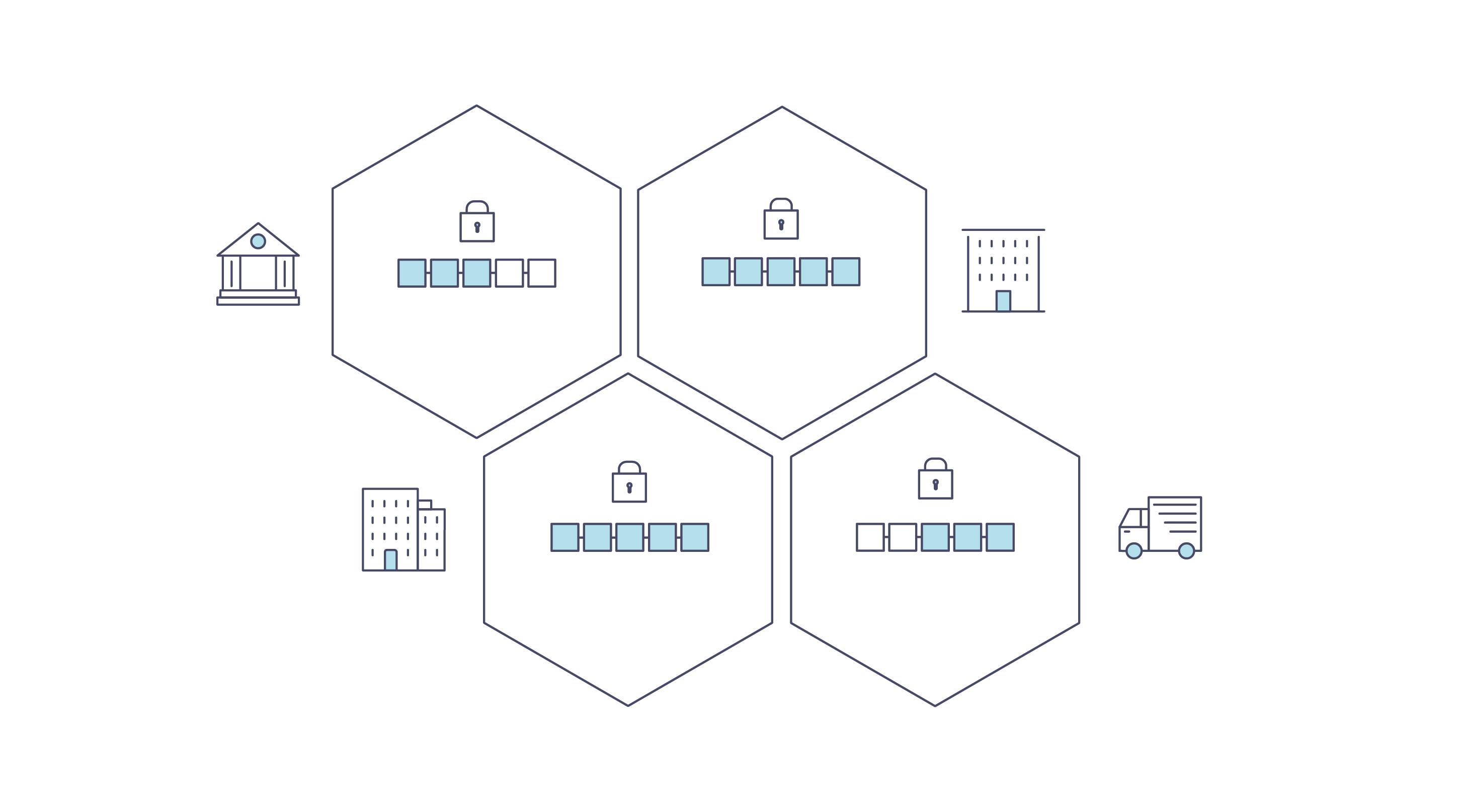
In addition to being decentralized and collaborative, the information recorded to a blockchain is append-only, using cryptographic techniques that guarantee that once a transaction has been added to the ledger it cannot be modified. This property of “immutability” makes it simple to determine the provenance of information because participants can be sure information has not been changed after the fact. It’s why blockchains are sometimes described as systems of proof.
除了分散和协作之外,记录到区块链的信息仅附加,使用加密技术,保证一旦将交易添加到账本,就无法修改。这种“不变性”属性使得确定信息的出处变得简单,因为参与者可以确定信息在事后没有改变。这就是为什么区块链有时被描述为 证明系统 。
Smart Contracts - 智能合约
To support the consistent update of information — and to enable a whole host of ledger functions (transacting, querying, etc) — a blockchain network uses smart contracts to provide controlled access to the ledger.
为了支持信息的一致更新——并启用整个账本功能(交易,查询等)——区块链网络使用 智能合约 来提供对账本的受控访问。
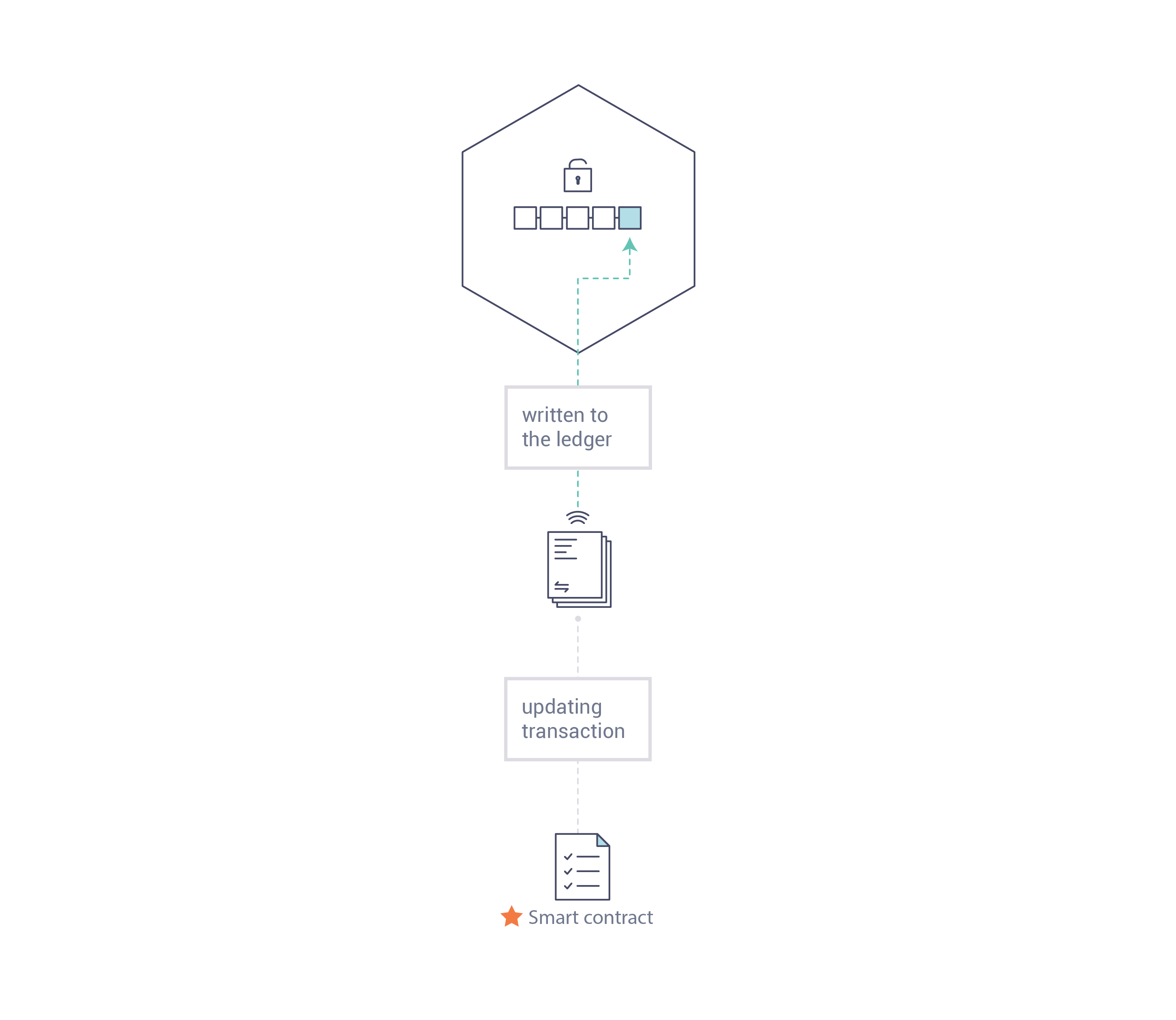
Smart contracts are not only a key mechanism for encapsulating information and keeping it simple across the network, they can also be written to allow participants to execute certain aspects of transactions automatically.
智能合约不仅是封装信息并在整个网络中保持其简单的关键机制,还能被编写以允许参与者自动执行交易的特定方面。
A smart contract can, for example, be written to stipulate the cost of shipping an item where the shipping charge changes depending on how quickly the item arrives. With the terms agreed to by both parties and written to the ledger, the appropriate funds change hands automatically when the item is received.
例如,可以编写智能合约以规定运输物品的成本,其中运费根据物品到达的速度而变化。根据双方同意并写入账本的条款,当收到物品时,适当的资金会自动转手。
Consensus - 共识
The process of keeping the ledger transactions synchronized across the network — to ensure that ledgers update only when transactions are approved by the appropriate participants, and that when ledgers do update, they update with the same transactions in the same order — is called consensus.
保持账本交易在整个网络中同步的过程——确保账本仅在交易被相应参与者批准时更新,并且当账本更新时,它们以相同的顺序更新相同的交易——称为 共识 。
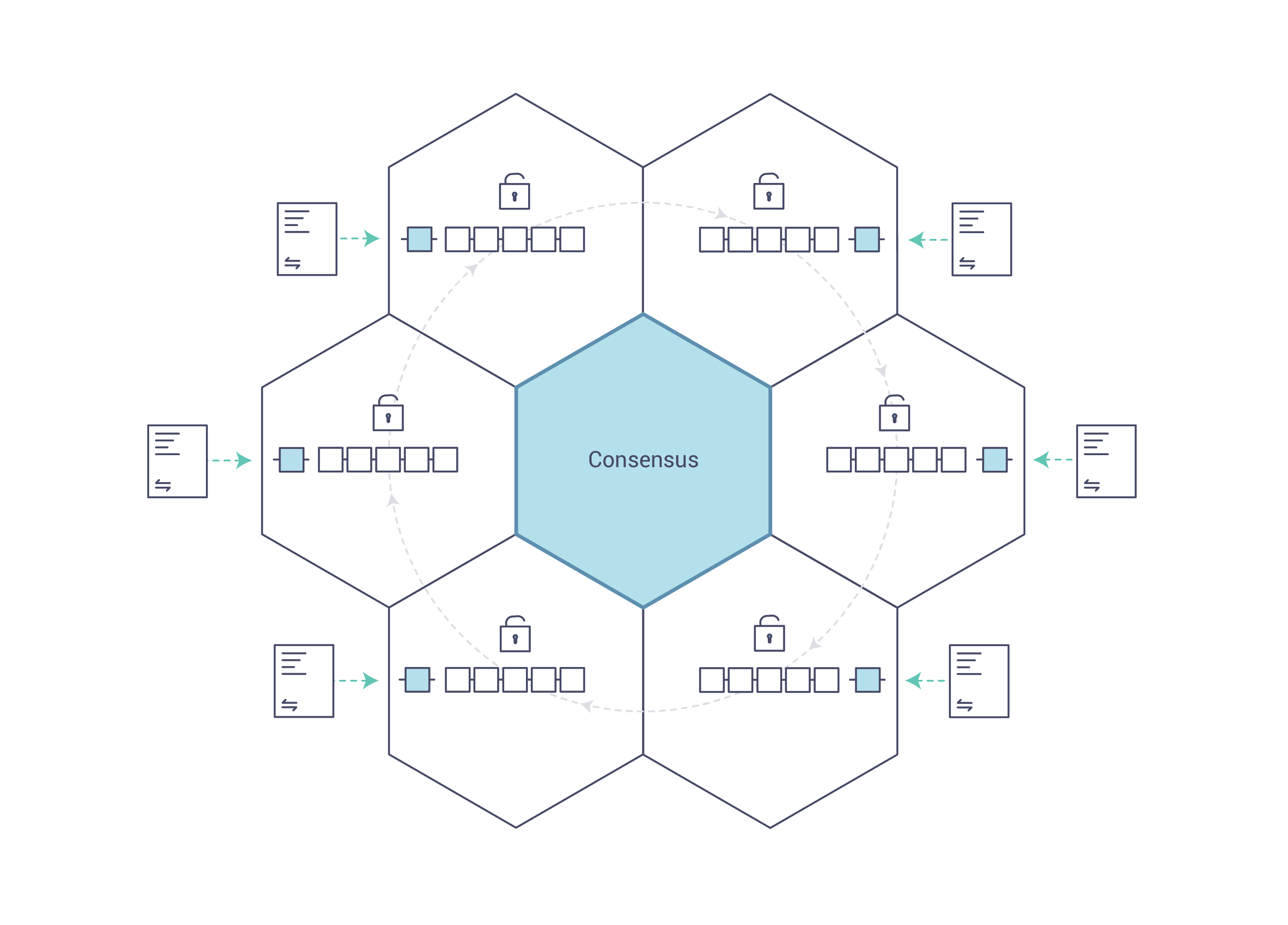
You’ll learn a lot more about ledgers, smart contracts and consensus later. For now, it’s enough to think of a blockchain as a shared, replicated transaction system which is updated via smart contracts and kept consistently synchronized through a collaborative process called consensus.
稍后您将学习更多关于账本,智能合约和共识的知识。就目前而言,将区块链视为共享的复制交易系统就足够了,该系统通过智能合约进行更新,并通过称为共识的协作流程保持一致。
Why is a Blockchain useful? - 为什么区块链有用?
Today’s Systems of Record - 今天的记录系统
The transactional networks of today are little more than slightly updated versions of networks that have existed since business records have been kept. The members of a business network transact with each other, but they maintain separate records of their transactions. And the things they’re transacting — whether it’s Flemish tapestries in the 16th century or the securities of today — must have their provenance established each time they’re sold to ensure that the business selling an item possesses a chain of title verifying their ownership of it.
今天的交易网络只不过是自业务记录保存以来一直存在的略微更新的网络版本。 业务网络 的成员彼此交易,但他们分别维护各自的交易记录。他们所交易的东西 - 无论是16世纪的弗拉芒语挂毯还是今天的证券 - 必须在每次出售时确定其出处,以确保出售物品的企业拥有一系列产权来核实其所有权。
What you’re left with is a business network that looks like this:
你剩下的是一个如下所示的商业网络:
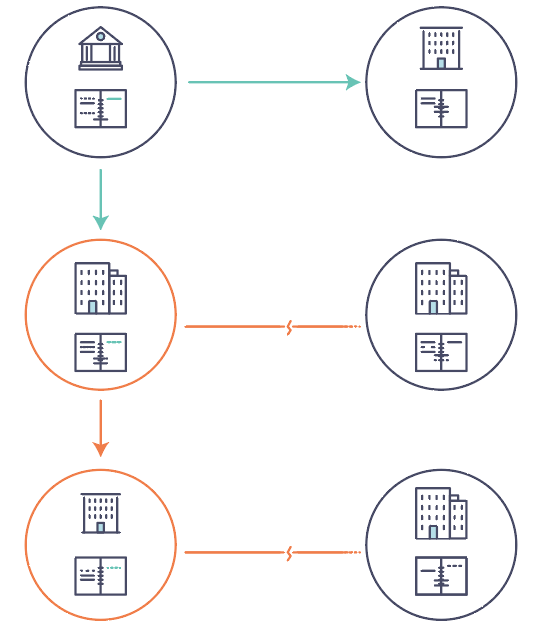
Modern technology has taken this process from stone tablets and paper folders to hard drives and cloud platforms, but the underlying structure is the same. Unified systems for managing the identity of network participants do not exist, establishing provenance is so laborious it takes days to clear securities transactions (the world volume of which is numbered in the many trillions of dollars), contracts must be signed and executed manually, and every database in the system contains unique information and therefore represents a single point of failure.
现代技术已经从石碑和纸质文件夹演变为硬盘驱动器和云平台,但底层结构是相同的。用于管理网络参与者身份的统一系统不存在,因而建立起源非常费力,需要数天才能清理证券交易(其世界数量以数万亿美元计算),合同必须手动签署和执行,以及系统中的每个数据库都包含唯一信息,因此代表了单点故障。
It’s impossible with today’s fractured approach to information and process sharing to build a system of record that spans a business network, even though the needs of visibility and trust are clear.
即使可见性和信任的需求很明显,今天的信息和流程共享方法也不可能构建一个跨越业务网络的记录系统。
The Blockchain Difference - 区块链差异
What if, instead of the rat’s nest of inefficiencies represented by the “modern” system of transactions, business networks had standard methods for establishing identity on the network, executing transactions, and storing data? What if establishing the provenance of an asset could be determined by looking through a list of transactions that, once written, cannot be changed, and can therefore be trusted?
如果业务网络不是由“现代”交易系统代表效率低下的老鼠窝,而是有一套在网络上建立身份,执行交易和存储数据的标准方法,那会怎么样?如果资产来源可以通过查看交易列表来确定,此列表一旦写入,无法更改,因此可信任,那会怎么样?
That business network would look more like this:
该业务网络看起来更像是这样的:
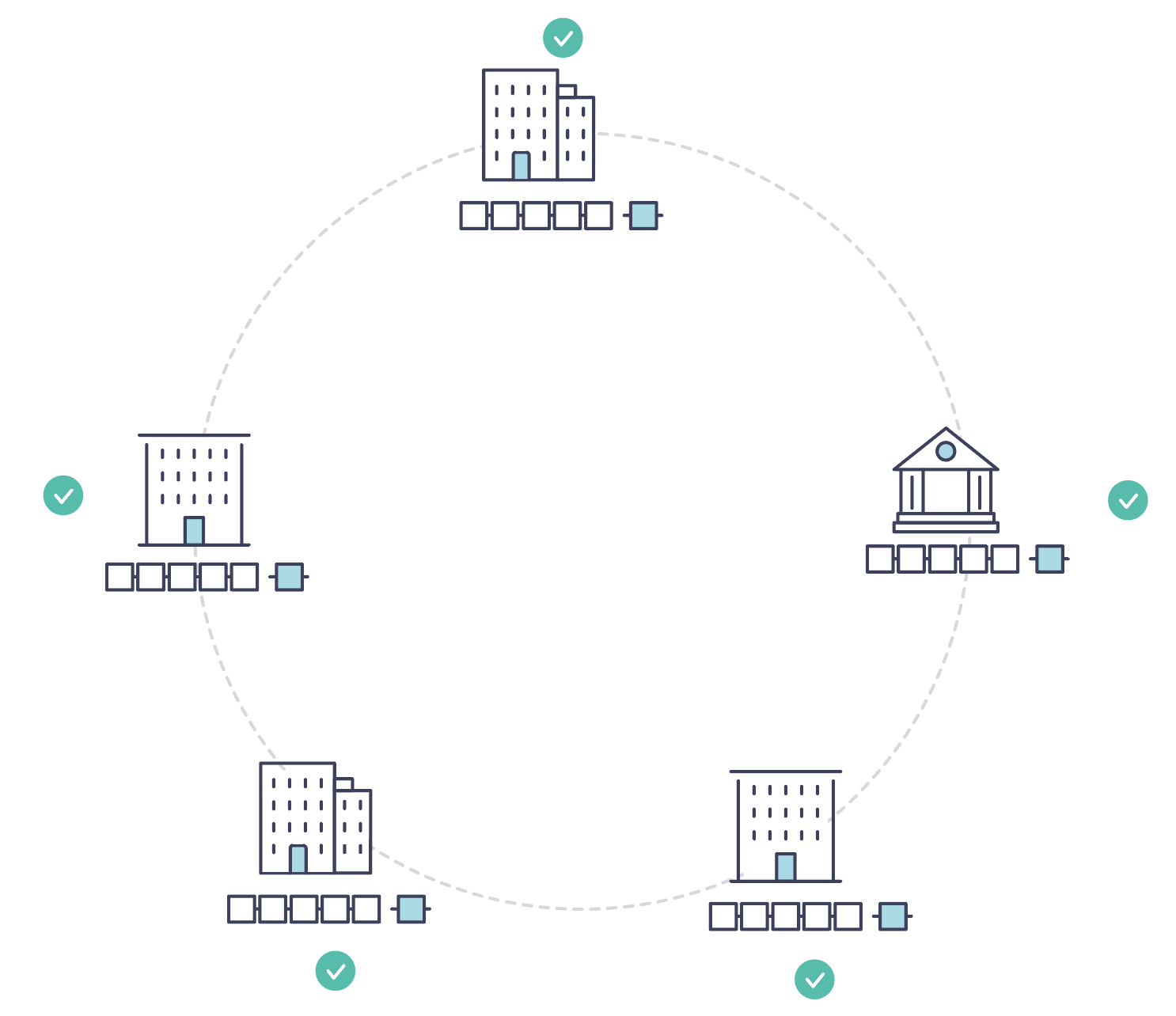
This is a blockchain network, wherein every participant has their own replicated copy of the ledger. In addition to ledger information being shared, the processes which update the ledger are also shared. Unlike today’s systems, where a participant’s private programs are used to update their private ledgers, a blockchain system has shared programs to update shared ledgers.
这是一个区块链网络,其中每个参与者都有自己的账本副本。除了共享账本信息之外,还共享更新账本的过程。与今天的系统不同,参与者的 私人 程序用于更新其 私人 账本,区块链系统具有 共享 程序来更新 共享 账本。
With the ability to coordinate their business network through a shared ledger, blockchain networks can reduce the time, cost, and risk associated with private information and processing while improving trust and visibility.
通过共享账本协调其业务网络的能力,区块链网络可以减少与私人信息和处理相关的时间,成本和风险,同时提高信任和可见性。
You now know what blockchain is and why it’s useful. There are a lot of other details that are important, but they all relate to these fundamental ideas of the sharing of information and processes.
你现在已知道区块链是什么、以及为什么它有用。还有许多重要的其他细节,但它们都与信息和流程共享的这些基本思想有关。
What is Hyperledger Fabric? - 什么是Hyperledger Fabric?
The Linux Foundation founded the Hyperledger project in 2015 to advance cross-industry blockchain technologies. Rather than declaring a single blockchain standard, it encourages a collaborative approach to developing blockchain technologies via a community process, with intellectual property rights that encourage open development and the adoption of key standards over time.
Linux基金会于2015年创建了Hyperledger(超级账本)项目,以推进跨行业的区块链技术。它不是用以宣布单一区块链标准,而是鼓励通过社区流程协作开发区块链技术的方法,其中包括鼓励开放式开发、和随着时间的推移采用关键标准的知识产权。
Hyperledger Fabric is one of the blockchain projects within Hyperledger. Like other blockchain technologies, it has a ledger, uses smart contracts, and is a system by which participants manage their transactions.
Hyperledger Fabric是Hyperledger中的区块链项目之一。与其他区块链技术一样,它有一个账本,使用智能合约,是参与者管理交易的系统。
Where Hyperledger Fabric breaks from some other blockchain systems is that it is private and permissioned. Rather than an open permissionless system that allows unknown identities to participate in the network (requiring protocols like “proof of work” to validate transactions and secure the network), the members of a Hyperledger Fabric network enroll through a trusted Membership Service Provider (MSP).
Hyperledger Fabric突破其他区块链系统的地方是 私有 和 许可 。Hyperledger Fabric网络的成员通过可信赖的 会员服务提供商(MSP) 注册,而不允许未知身份参与网络的开放式非许可系统(需要诸如“工作量证明”之类的协议来验证交易并保护网络)。
Hyperledger Fabric also offers several pluggable options. Ledger data can be stored in multiple formats, consensus mechanisms can be swapped in and out, and different MSPs are supported.
Hyperledger Fabric还提供多种可插拔选项。账本数据可以以多种格式存储,共识机制可以交换进出,并且支持不同的MSP。
Hyperledger Fabric also offers the ability to create channels, allowing a group of participants to create a separate ledger of transactions. This is an especially important option for networks where some participants might be competitors and not want every transaction they make — a special price they’re offering to some participants and not others, for example — known to every participant. If two participants form a channel, then those participants — and no others — have copies of the ledger for that channel.
Hyperledger Fabric还提供创建 通道 的功能,允许一组参与者创建各自的交易账本。对于某些网络而言,这是一个特别重要的选择。这些网络中,一些参与者可能是竞争对手,并且不希望他们做出的每笔交易 - 例如,他们向某些而不是其他参与者提供的特殊价格 - 被每个参与者知晓。如果两个参与者组成一个通道,那么这俩参与者 - 而不是其他参与者 - 拥有该频道的账本副本。
Shared Ledger - 共享账本
Hyperledger Fabric has a ledger subsystem comprising two components: the world state and the transaction log. Each participant has a copy of the ledger to every Hyperledger Fabric network they belong to.
Hyperledger Fabric有一个账本子系统,包括两个组件: 世界状态 和 交易日志 。每个参与者都拥有他们所属的每个Hyperledger Fabric网络的账本副本。
The world state component describes the state of the ledger at a given point in time. It’s the database of the ledger. The transaction log component records all transactions which have resulted in the current value of the world state; it’s the update history for the world state. The ledger, then, is a combination of the world state database and the transaction log history.
世界状态组件描述了在给定时间点的账本的状态。它是账本的数据库。交易日志组件记录产生世界状态当前值的所有交易;这是世界各州的更新历史。然后,账本是世界状态数据库和交易日志历史记录的组合。
The ledger has a replaceable data store for the world state. By default, this is a LevelDB key-value store database. The transaction log does not need to be pluggable. It simply records the before and after values of the ledger database being used by the blockchain network.
账本具有可替换的世界状态数据存储。默认情况下,这是LevelDB 键值存储数据库。交易日志不需要是可插拔的。它只记录区块链网络使用的账本数据库的前后值。
Smart Contracts - 智能合约
Hyperledger Fabric smart contracts are written in chaincode and are invoked by an application external to the blockchain when that application needs to interact with the ledger. In most cases, chaincode interacts only with the database component of the ledger, the world state (querying it, for example), and not the transaction log.
Hyperledger Fabric智能合约以**链码**编写,当该应用程序需要与账本交互时,由区块链外部的应用程序调用。在大多数情况下,链码只与账本的数据库、世界状态(例如,查询)交互,而不与交易日志交互。
Chaincode can be implemented in several programming languages. Currently, Go and Node are supported.
链码可以用几种编程语言实现。目前,支持Go和Node。
Privacy - 隐私
Depending on the needs of a network, participants in a Business-to-Business (B2B) network might be extremely sensitive about how much information they share. For other networks, privacy will not be a top concern.
根据网络的需求,企业对企业(B2B)网络中的参与者可能对他们共享的信息量非常敏感。对于其他网络,隐私不是最受关注的问题。
Hyperledger Fabric supports networks where privacy (using channels) is a key operational requirement as well as networks that are comparatively open.
Hyperledger Fabric支持私有网络(使用通道),这是一项关键的运营要求,也是相对开放的网络。
Consensus - 共识
Transactions must be written to the ledger in the order in which they occur, even though they might be between different sets of participants within the network. For this to happen, the order of transactions must be established and a method for rejecting bad transactions that have been inserted into the ledger in error (or maliciously) must be put into place.
交易必须按照发生的顺序写入账本,即使它们可能位于网络中不同的参与者组之间。为此,必须建立交易的顺序,且必须采用一种方法来拒绝错误(或恶意)插入到账本中的错误交易。
This is a thoroughly researched area of computer science, and there are many ways to achieve it, each with different trade-offs. For example, PBFT (Practical Byzantine Fault Tolerance) can provide a mechanism for file replicas to communicate with each other to keep each copy consistent, even in the event of corruption. Alternatively, in Bitcoin, ordering happens through a process called mining where competing computers race to solve a cryptographic puzzle which defines the order that all processes subsequently build upon.
这是一个彻底的计算机科学研究领域,且有很多方法可以实现它,每个方法都有不同的权衡。例如,PBFT(实用拜占庭容错算法)可以为文件副本提供一种机制,使其能够保持各个副本的一致性,即使在发生损坏的情况下也是如此。或者,在比特币中,通过称为挖掘的过程进行排序,其中竞争计算机竞相解决加密难题,该难题定义所有过程随后构建的顺序。
Hyperledger Fabric has been designed to allow network starters to choose a consensus mechanism that best represents the relationships that exist between participants. As with privacy, there is a spectrum of needs; from networks that are highly structured in their relationships to those that are more peer-to-peer.
Hyperledger Fabric旨在允许网络启动者选择最能代表参与者间存在的关系的共识机制。与隐私一样,有一系列需求;从在他们的关系中高度结构化的网络,到更加点对点的网络。
We’ll learn more about the Hyperledger Fabric consensus mechanisms, which currently include SOLO and Kafka.
我们将了解有关Hyperledger Fabric共识机制的更多信息,目前包括SOLO和Kafka。
Where can I learn more? - 我在哪了解更多?
- 身份 (概念文档)
A conceptual doc that will take you through the critical role identities play in a Fabric network (using an established PKI structure and x.509 certificates).
概念文档,将引导您完成身份网络中的关键角色身份(使用已建立的PKI结构和x.509证书)。
- 成员 (概念文档)
Talks through the role of a Membership Service Provider (MSP), which converts identities into roles in a Fabric network.
通过成员服务提供商(MSP)的角色来说明,该服务提供商将身份转换为Fabric网络中的角色。
- 节点 (概念文档)
Peers — owned by organizations — host the ledger and smart contracts and make up the physical structure of a Fabric network.
节点——组织所有——托管账本和智能合约,构成Fabric网络的物理结构。
Learn how to download Fabric binaries and bootstrap your own sample network with a sample script. Then tear down the network and learn how it was constructed one step at a time.
了解如何使用示例脚本下载Fabric二进制文件并引导你自己的示例网络。然后拆除网络,了解它是如何一步一步构建的。
Deploys a very simple network — even simpler than Build Your First Network — to use with a simple smart contract and application.
部署一个非常简单的网络 - 甚至比构建您的第一个网络更简单 - 与简单的智能合约和应用程序一起使用。 * Transaction Flow
A high level look at a sample transaction flow.
高级外观查看示例交易流。
A high level look at some of components and concepts brought up in this introduction as well as a few others and describes how they work together in a sample transaction flow.
本简介中介绍的一些组件和概念以及其他一些组件和概念的高级外观,并介绍了它们如何在示例交易流中协同工作。